
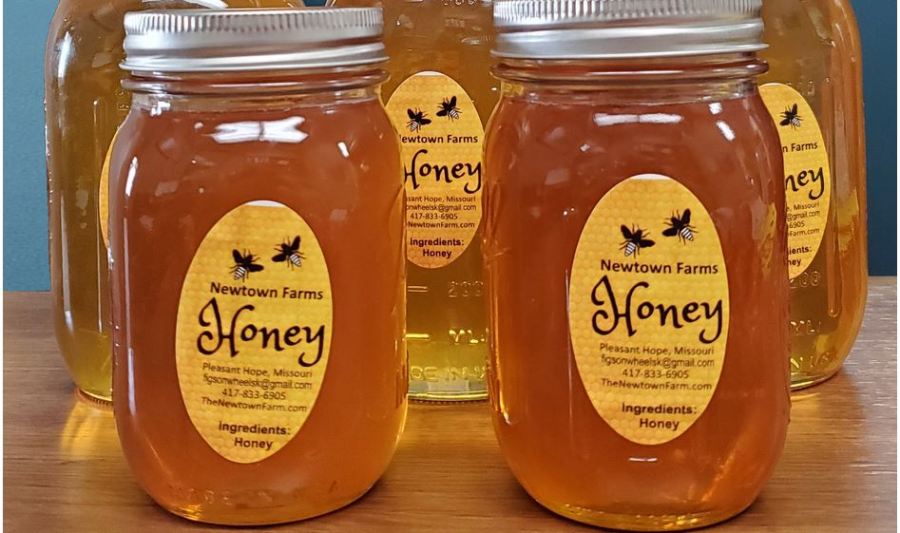
Keeping bees is like growing any other agricultural product. You have good years and you have learning years! This was a good year. We have been keeping bees for 8 years and no two years have been the same. Last fall, we moved all our hives to our farm. That was a life-changer. We no longer had to drive 30 minutes each way to tend to the bees.
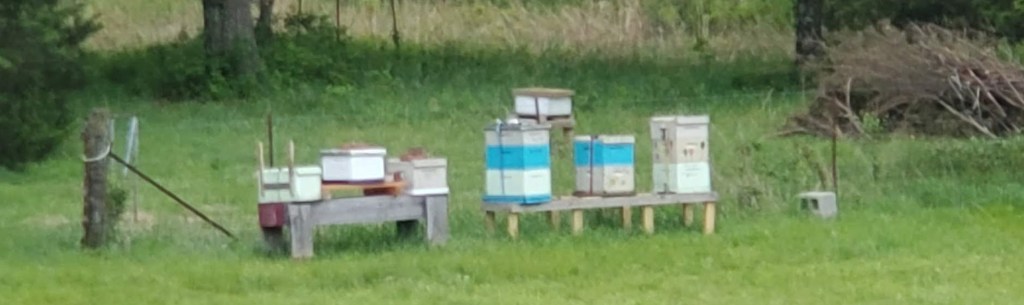
We came out of the winter with 5 hives. Over the course of the spring, we split our existing hives (the way hives naturally reproduce), plus we were able to catch 2 swarms. That gave us 12 colonies of bees heading into the nectar flow season when the bees produce the glorious liquid gold. But John, loving to share what he has been given, gave away the two swarms, and we lost 3 hives. So we now have 7 hives from which to extract honey.
As the bees filled their boxes with brood (baby bees) and honey, we added more and more boxes. They filled those with honey, too! Bees are such marvelous creatures and they know exactly what to do. When they first put the honey into the comb, it is very thin (with a high moisture content). The bees fan this honey with their wings to dehydrate it. When it gets to the perfect moisture level which prevents the honey from spoiling, they make wax to enclose the honey into the comb comb. Once most of the comb is capped, we know we can harvest it.
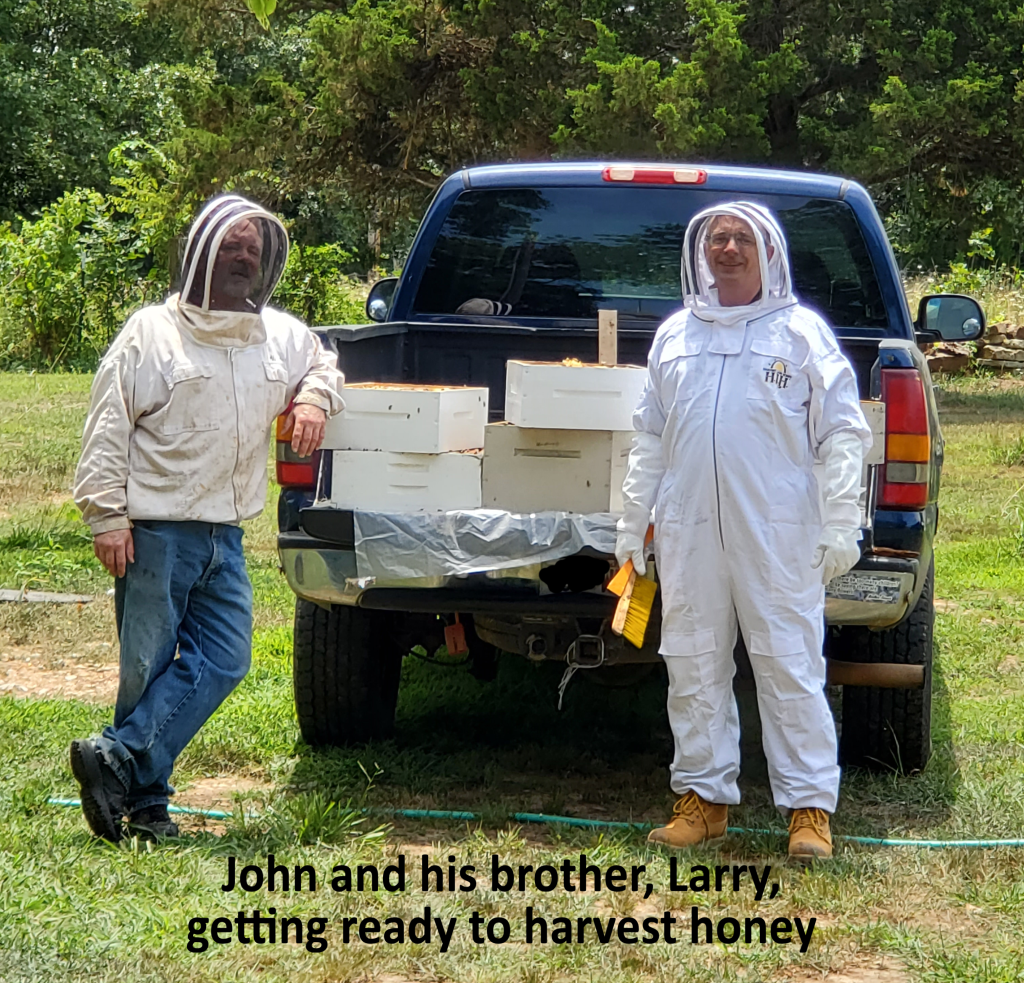

Honey harvest day is a full day and is always exciting. John’s brother was able to help with the process. First, we removed the extra boxes from the hives (we always leave plenty of honey with the bees so they have food for the winter). Then we used a long knife to cut the wax cappings off the frames of comb. Those frames go into an extractor which spins the honey out of the comb into a tank. We drain the honey from the tank through a filter (to remove any bee parts).
We are so fortunate to have extra buildings on our farm. Previously, we extracted in our kitchen. The problem with extracting in the house is when one drop gets on the bottom of someones shoe, they will track sticky honey all over the house. Having this extra building gave us a place to not worry about it. Clean up is quite easy. There is always some honey left in the buckets, on utensils, in the extractor, and any other thon other tools. We simply put the stuff outside and within minutes thousands of bees are covering it. They bring all the remaining honey back to the hive and leave clean equipment behind. Easiest dish washing there is! (Yes, we still wash with soap and water.) When we are done extracting, we give the empty frames of wax back to the bees in hopes they will fill them again. We have been fortunate in the past to get a second harvest in the fall, and we’re hopeful for that this year.
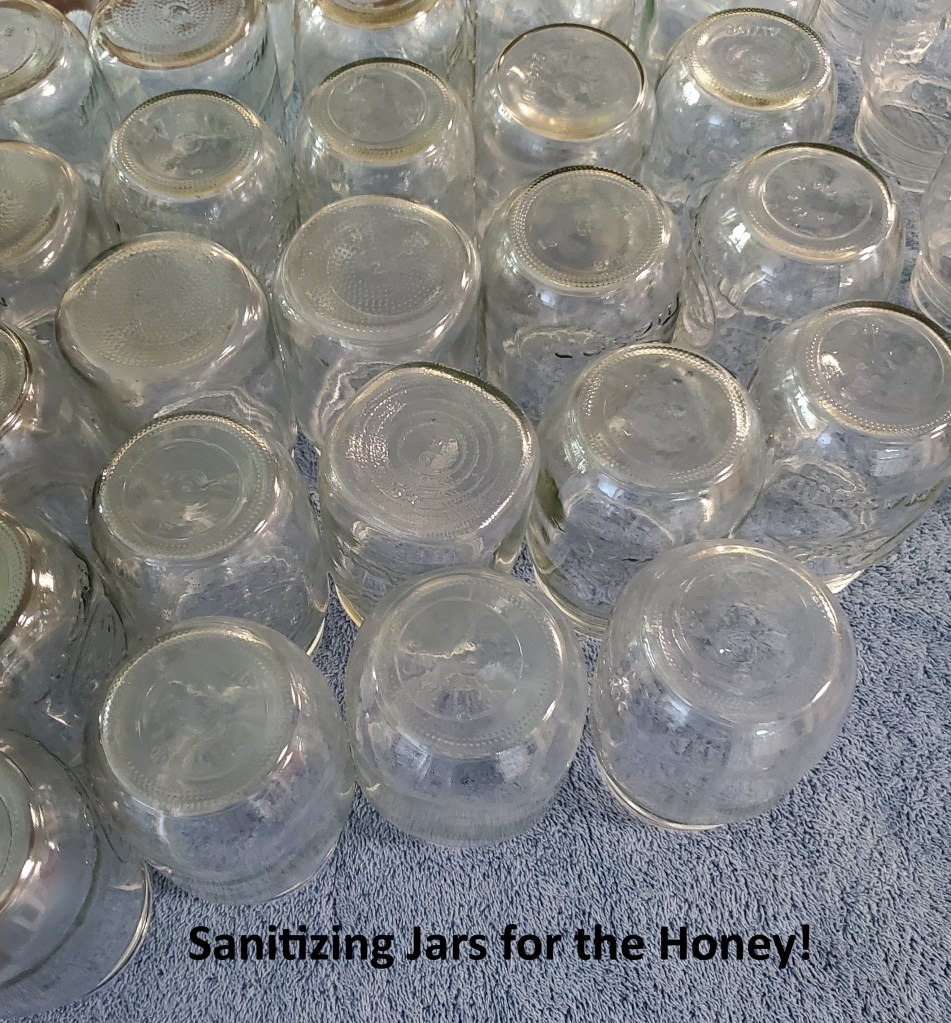
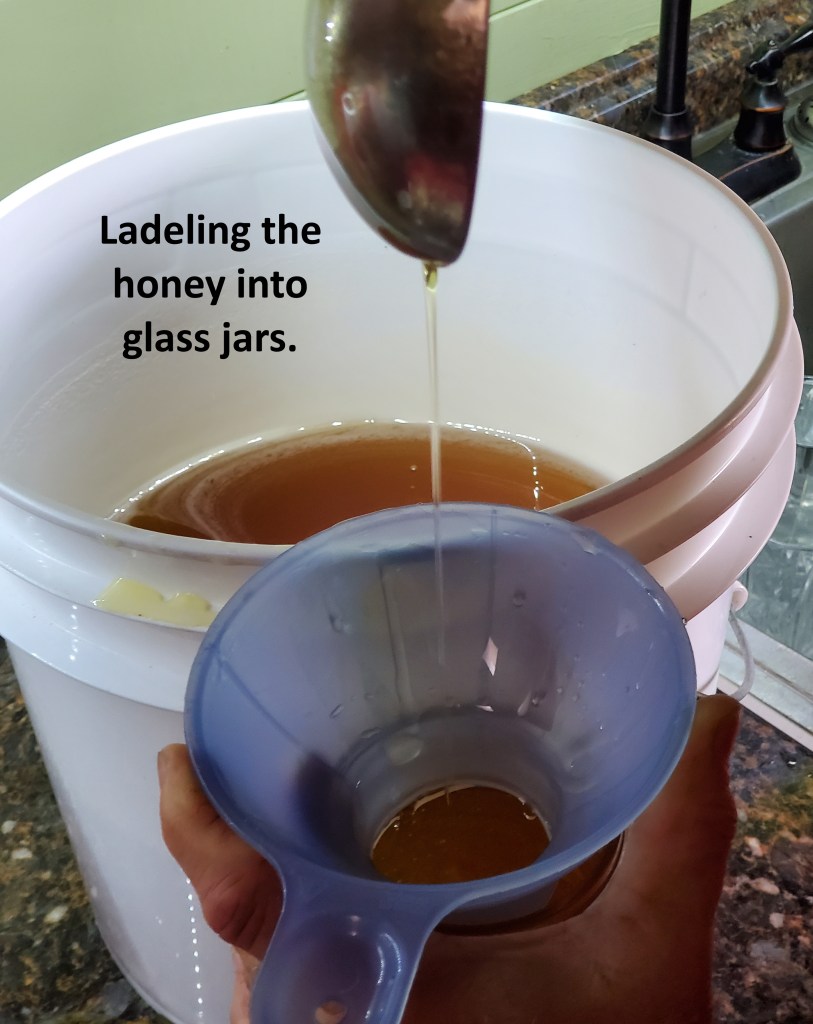
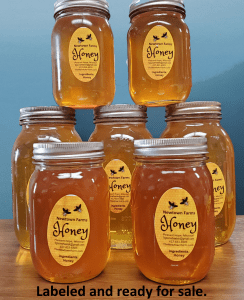
Before we can bottle the honey, we use a refractometer to test the amount of moisture in the honey. If the moisture level is good, the honey goes into glass jars and is available for sale (or storage). If it is too high in moisture, we put the buckets into a refrigerator (used only for honey) for a few days. Then we can bottle it.
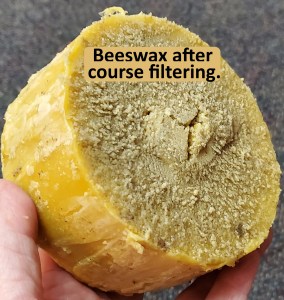
The last thing we do is melt and filter all the beeswax from the cappings. We will further filter this and use it in our soap, lip balm, lotions, beard balms, and furniture polish.
 Undaunted Farming