
May 16, 2021
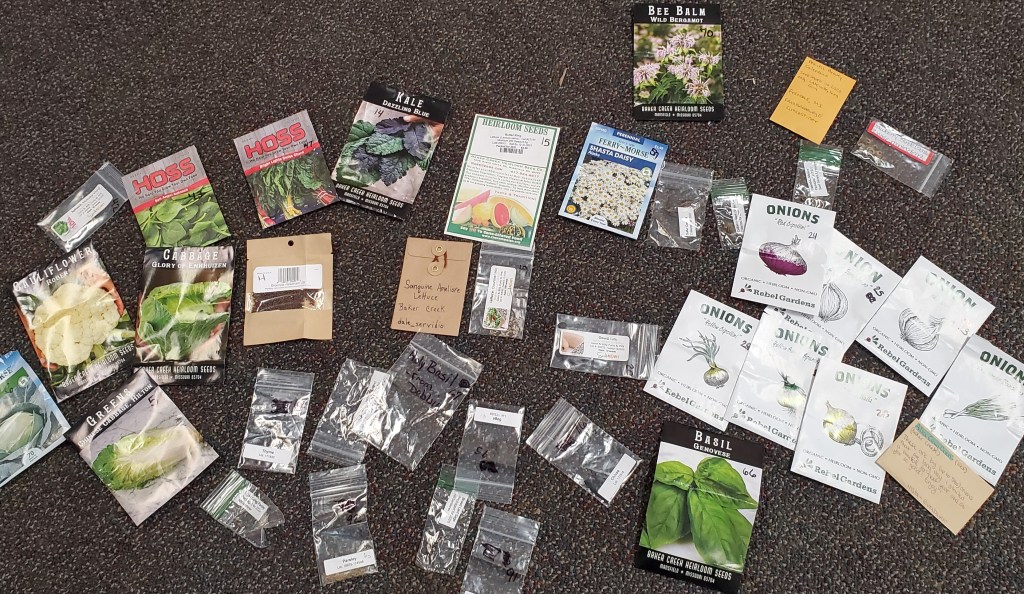
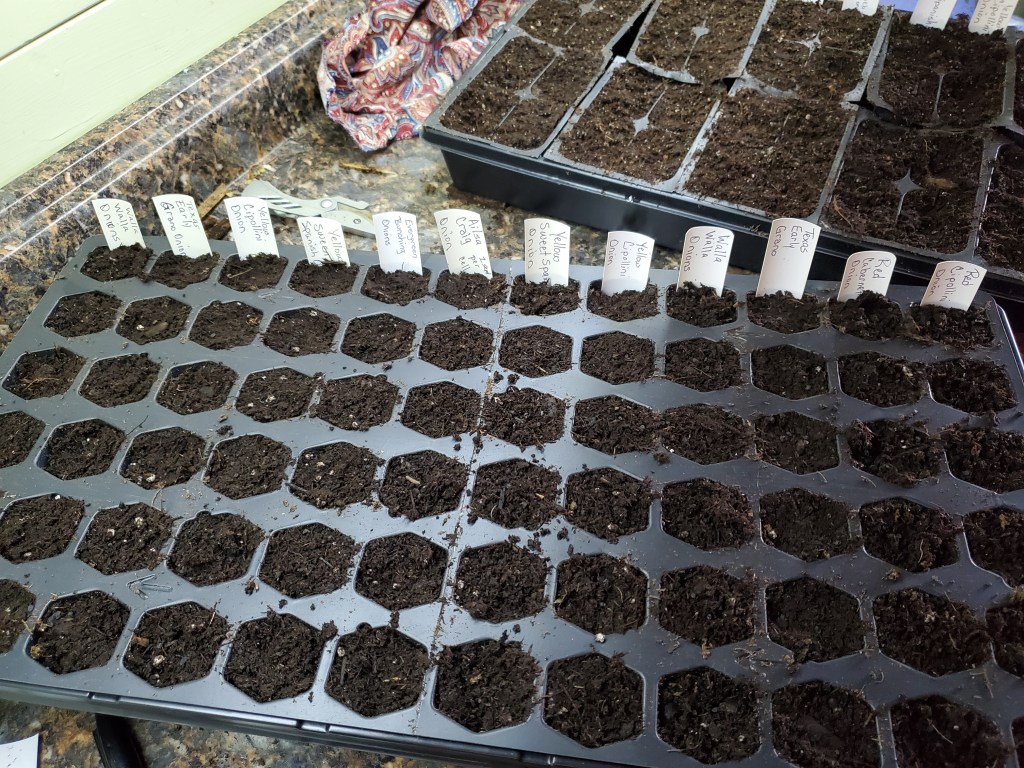
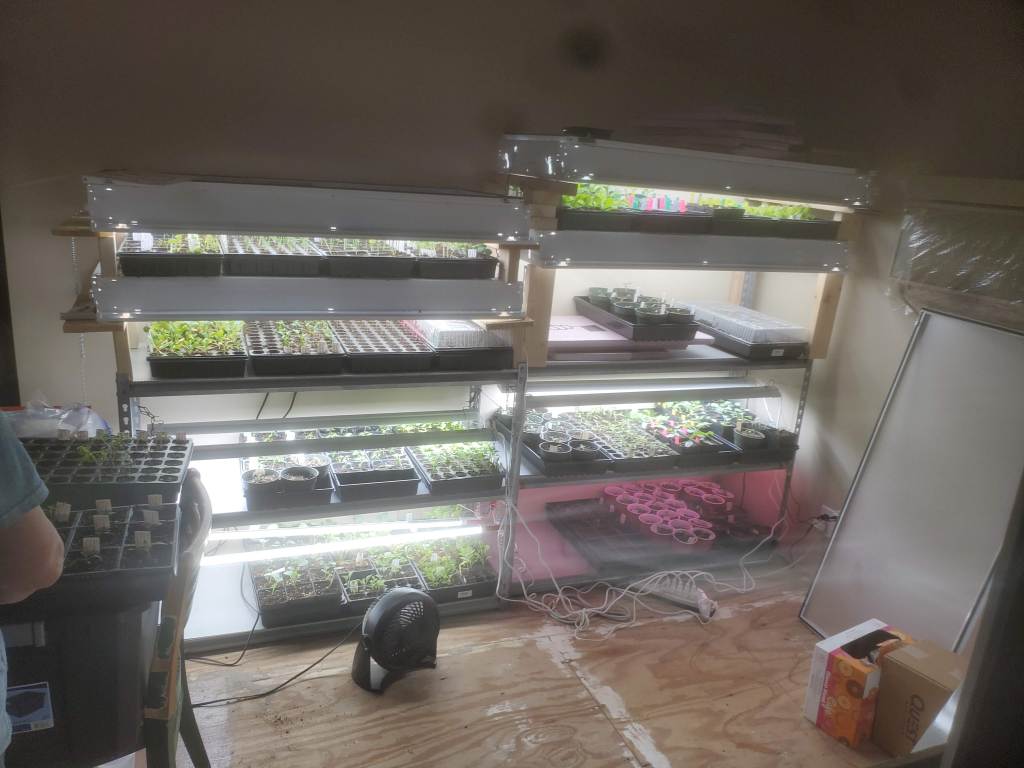
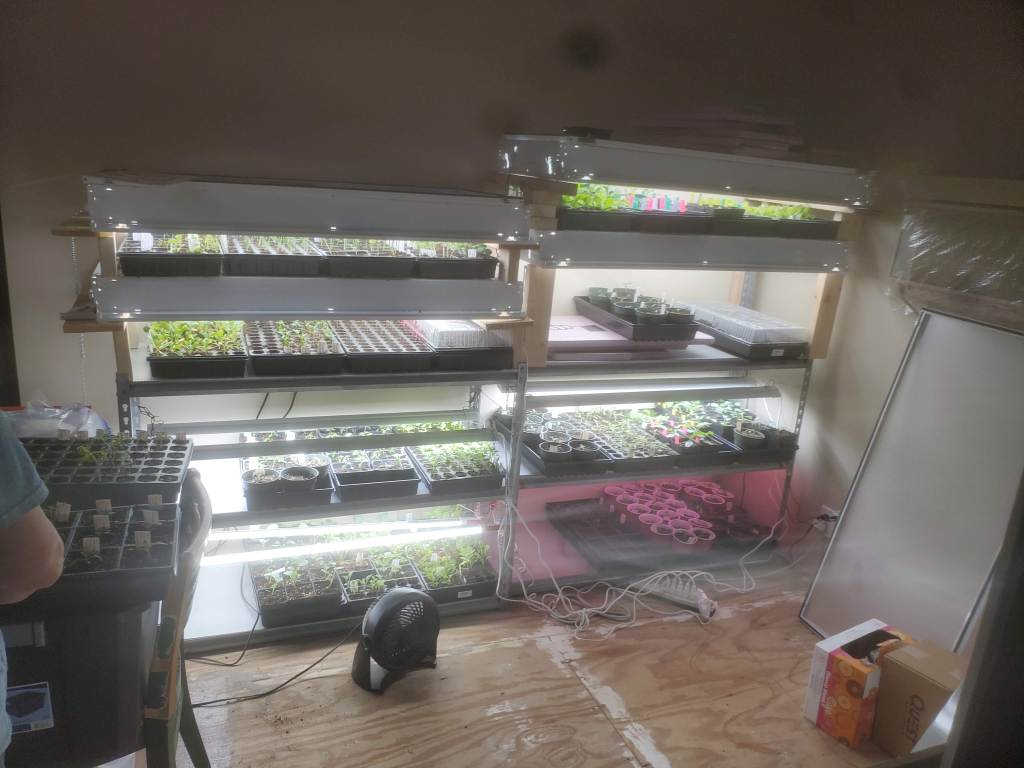
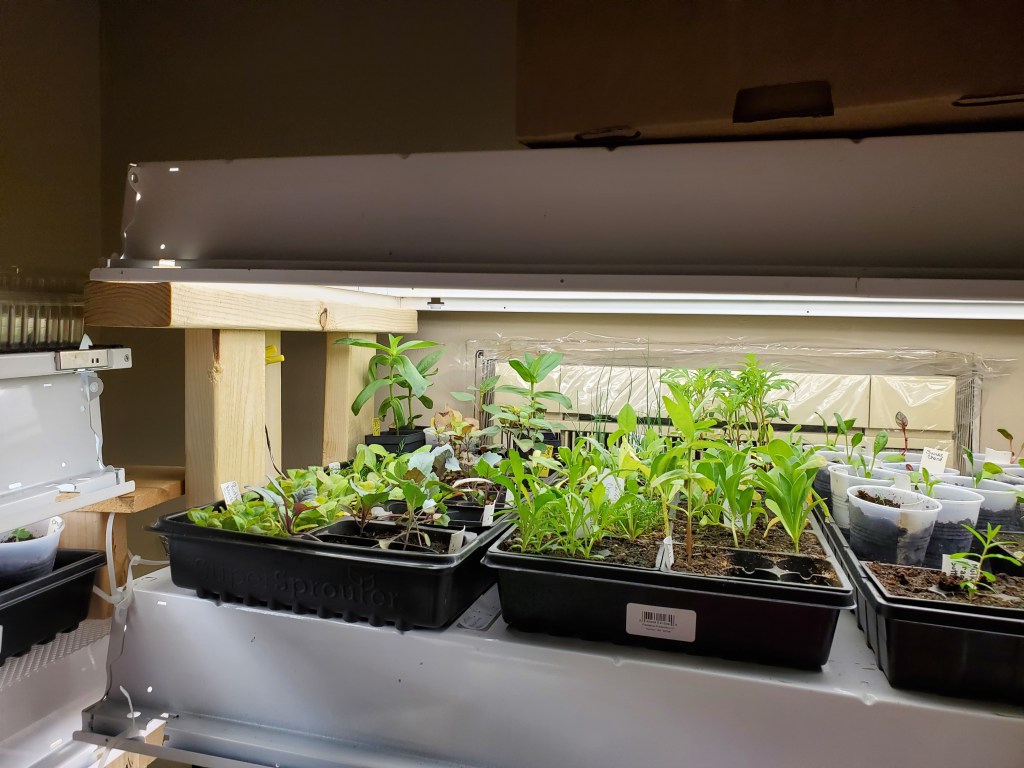
In February and March, we started over 2,000 seeds in our 500 sq ft loft apartment! We had 58 trays of seedling on 12 shelves and the floor. Every evening, we spent hours watering, thinning, up-potting plants. At the beginning, during the coldest time of the year, we did not have running water in our apartment (more on that in this blog), so we had to carry 5-gallon buckets of water upstairs. We’ve never grown quite that many plant starts and it was as overwhelming as it was exciting. It was so cool to see the daily changes in the little plants.

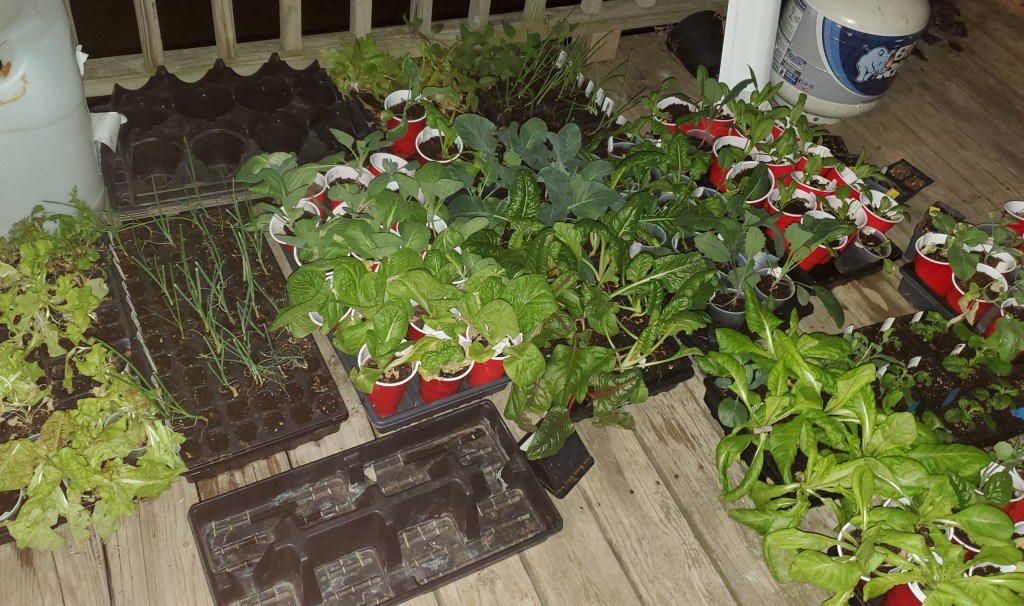
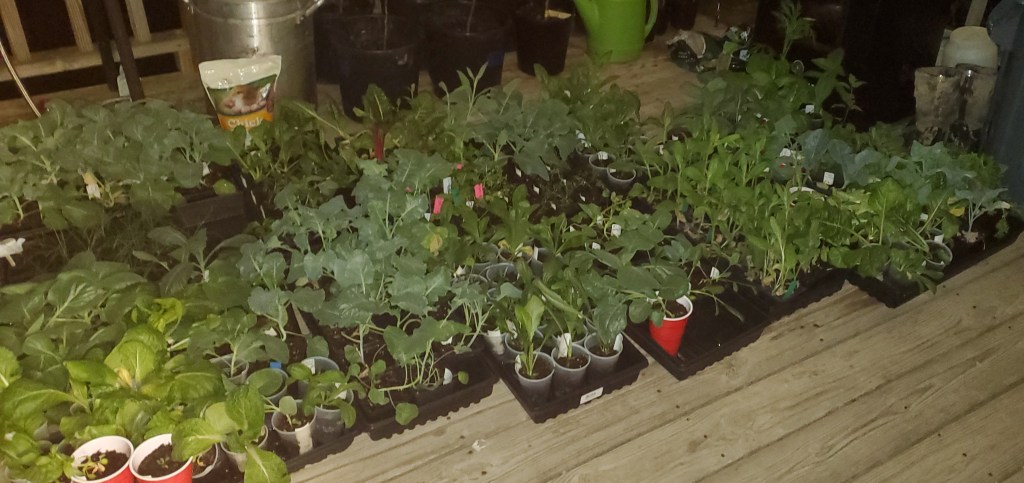
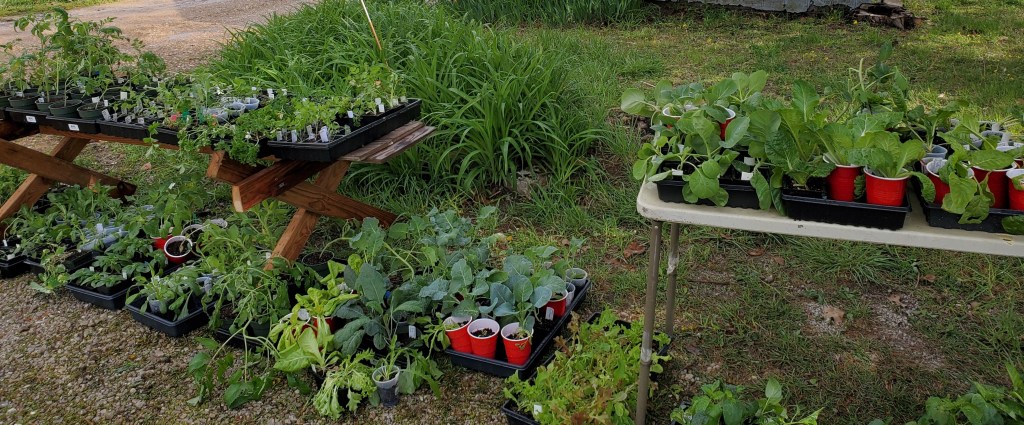
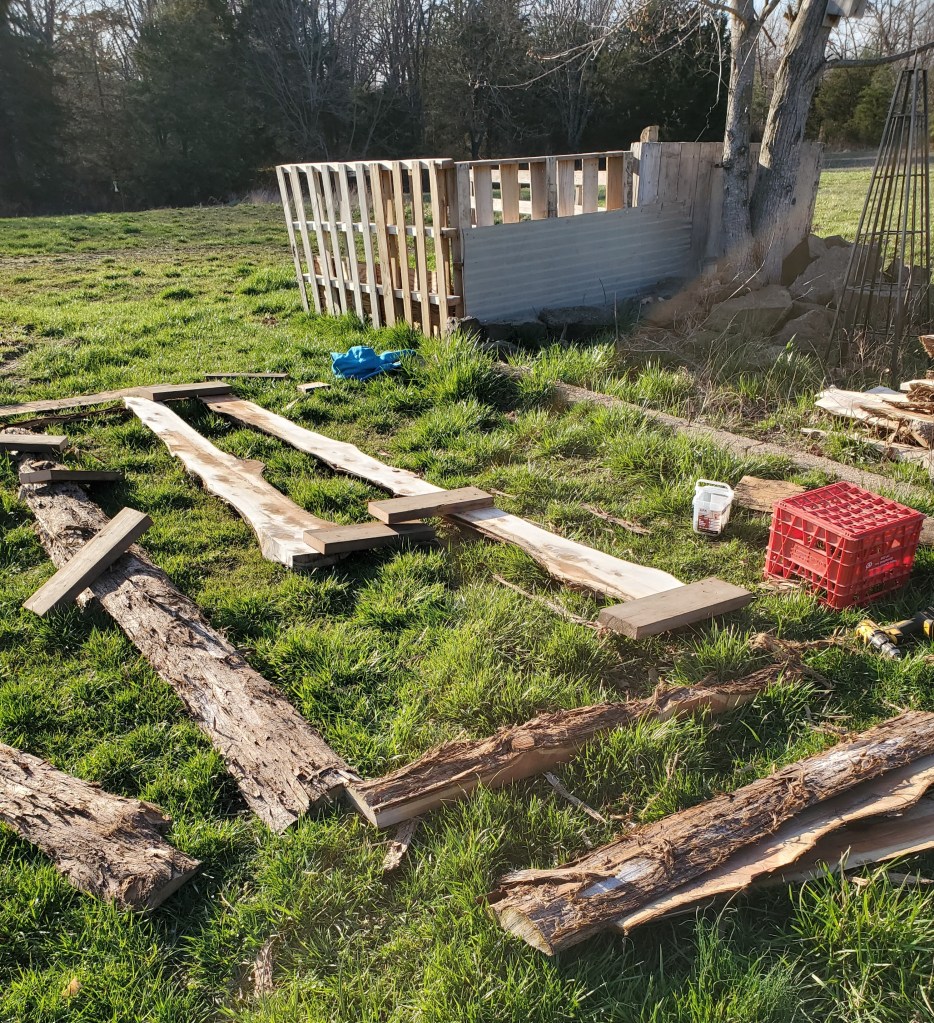
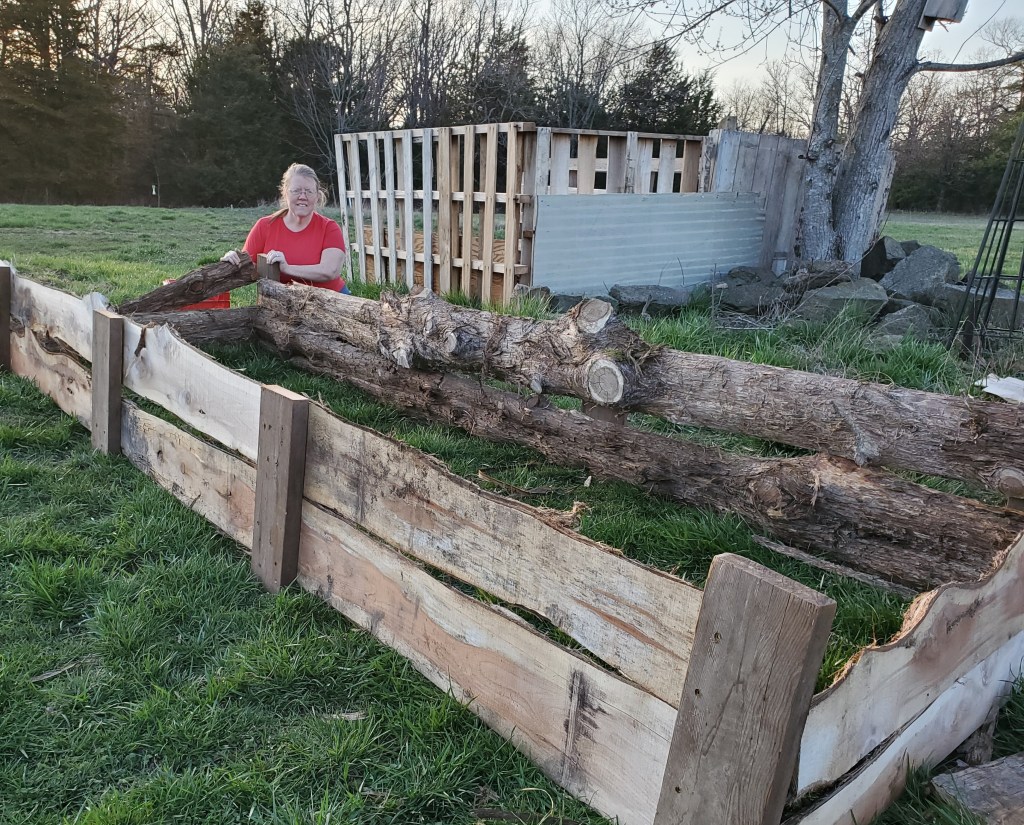
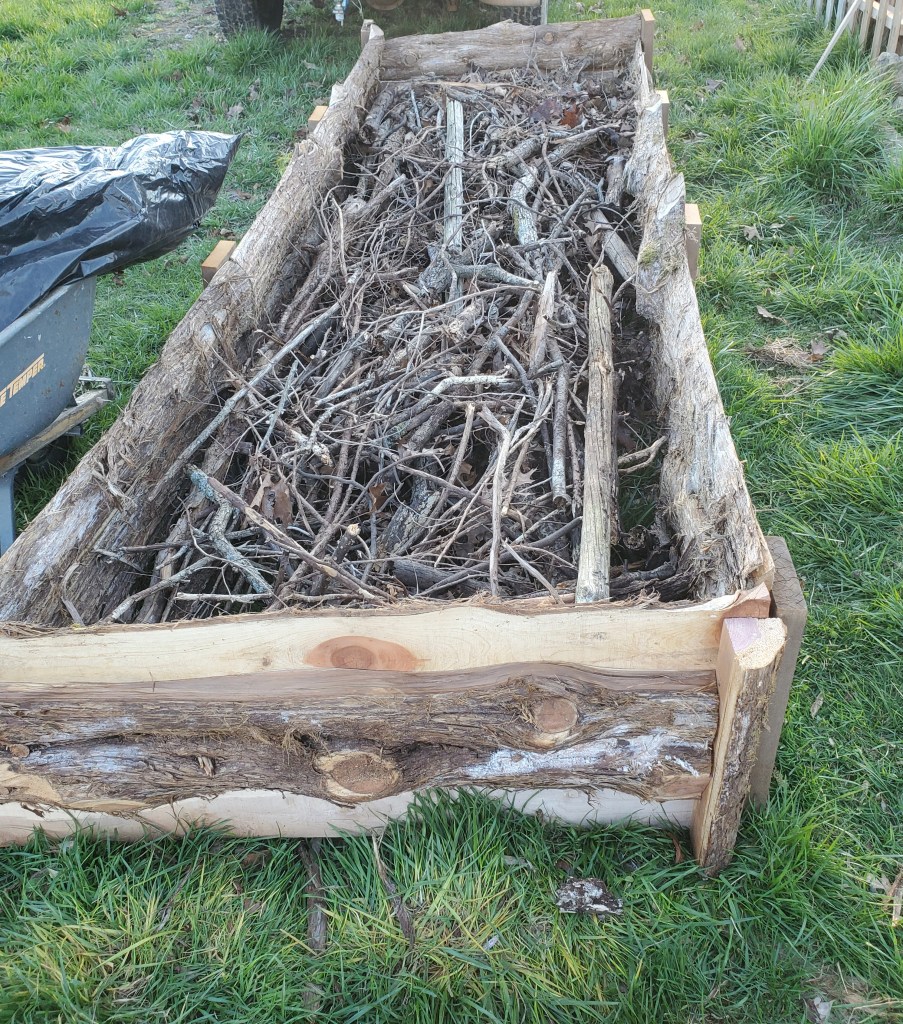
By the middle of March, we moved some of the plants outside to prepare them to be planted in the ground. The problem was that we did not have any planting beds prepared. We had the 15’x15’ space from last year’s garden, but we had planned to build 8 beds that were 12’x4’ each in that same area. We took advantage of one of the very warm spring days and used cedar log edges we picked up to build 2 planting beds that were 30” high. We filled the beds using a Hügelkultur technique. We started with rotting logs, sticks and twigs from our property, added what we scraped out of the chicken coop earlier in the spring, some decomposing hay, a few bags of rotting leaves that had been in plastic bags all winter (and were teaming with earth worms), a few inches of the top soil and another few inches of the compost we’ve been making all year. We mixed in some bio-char that we had made last fall, and a good sprinkle of both worm castings, mushroom compost and granite dust. Because we can grow some crazy weeds in mulch, we covered the two beds with woven ground cover.
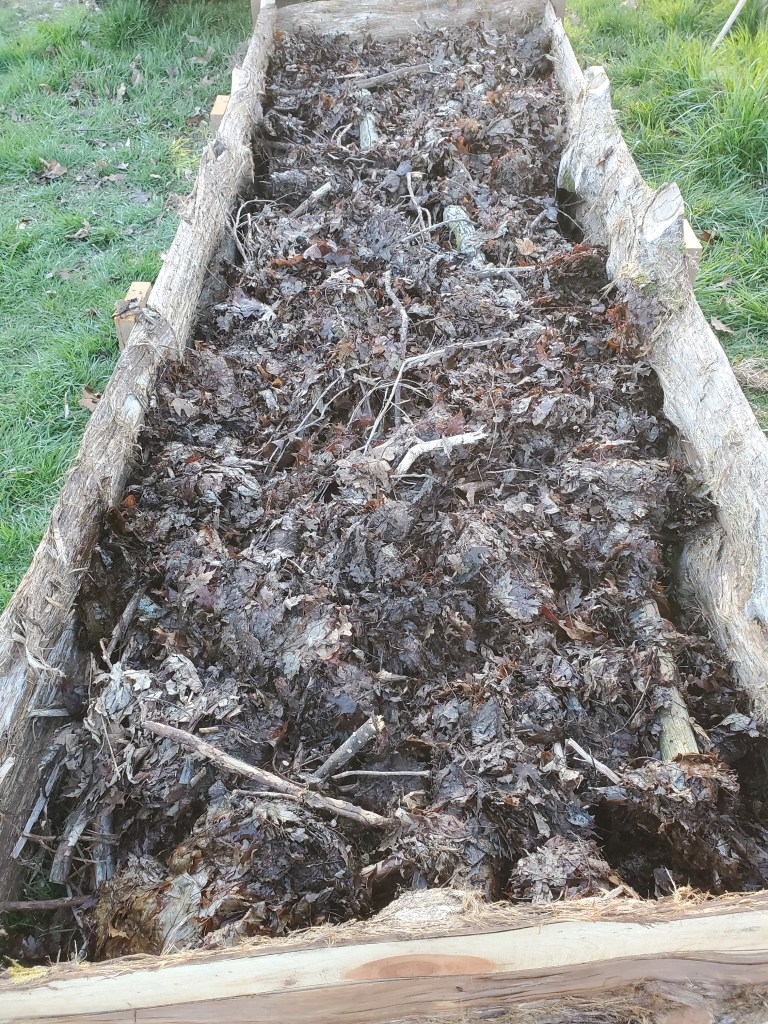
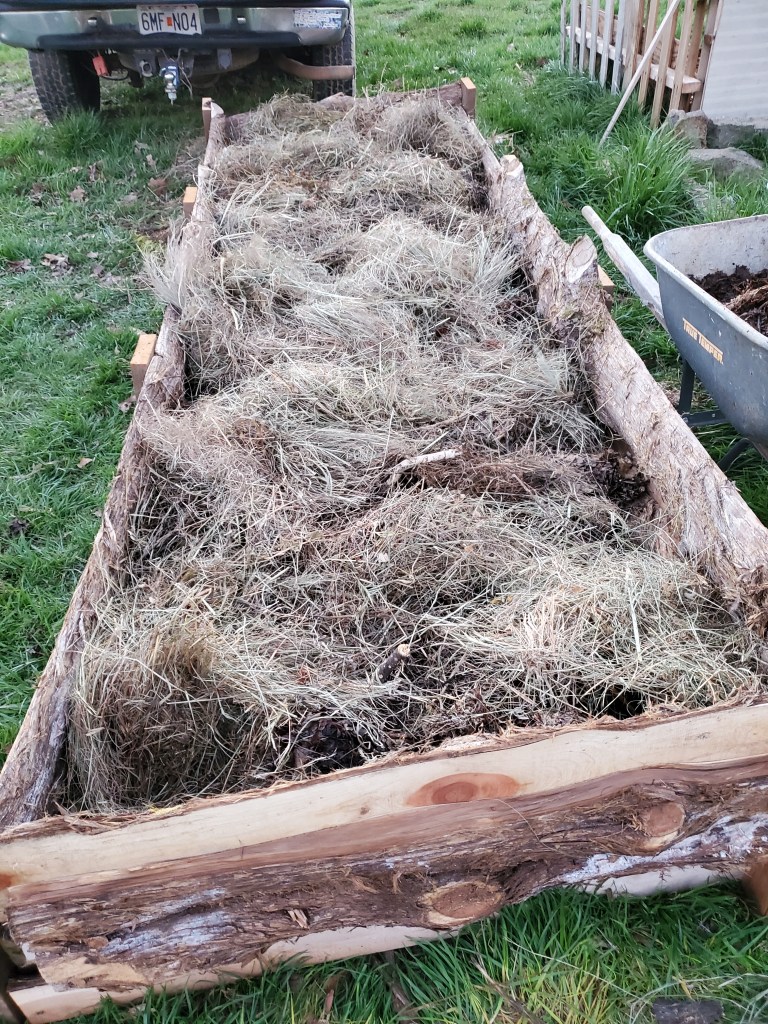
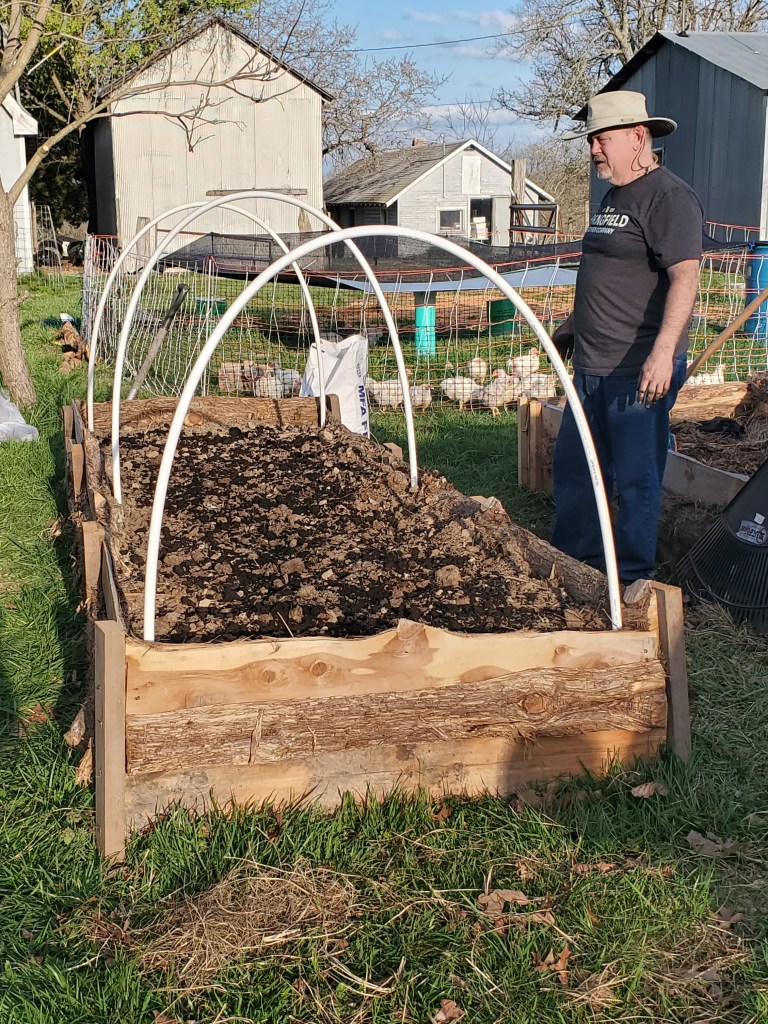
By Easter, we were finally ready to plant these first two beds. We melted holes in the ground cover and transplanted broccoli, cauliflower, cabbages, Swiss chard, and spinach. Along the edges of the bed, we planted onions and radishes. We also added a few different flowers to the beds just for beauty. Because cabbage moths are such a HUGE PEST here in southern Missouri, we covered each of the beds with toile netting over hoops and secured the edges. It was a great way to spend the day with family!
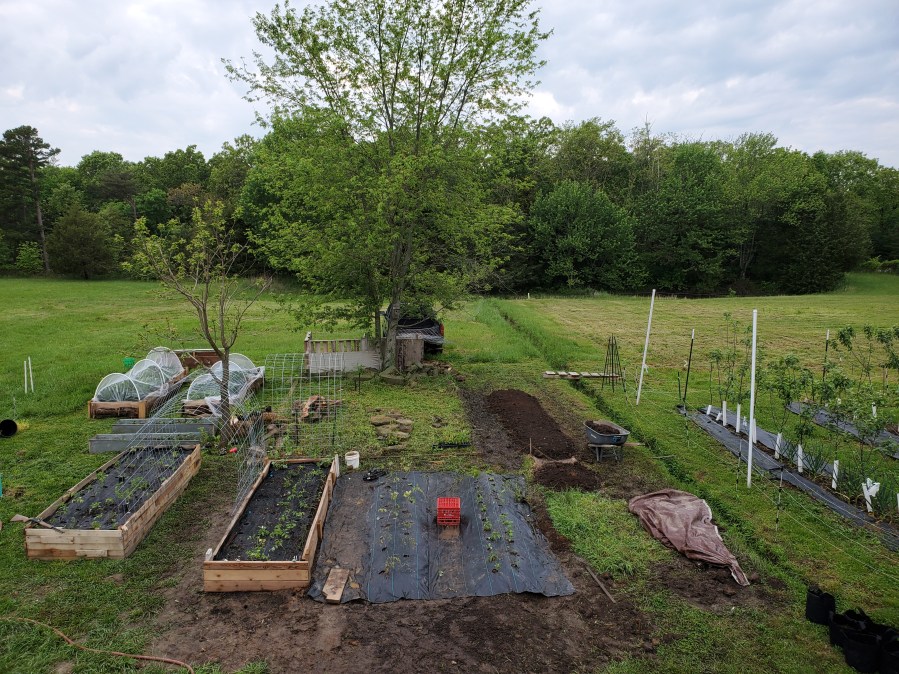
Because we hadn’t passed our last frost date, and we had freezing weather in the forecast, we did not plant anything else outside, but we did start moving as many plants as possible to our deck to start toughening them up. Over spring break, two of our sons built 2 more raised beds, again 12’x4’. We also found 2 feeding troughs from the barn on our property and turned those into planting beds, too.
We wanted at least 4 more raised beds, but we were out of the cedar end pieces and had depleted our scrap wood pile. We just could not bring ourselves to buy wood at the super high prices they are now, so we built the last 4 beds without sides. They don’t incorporate the Hügelkultur technique, they are just chicken coop bedding, top soil, compost, and ground cover. This will be a good opportunity for us to test the two different growing conditions.
The weather this spring has been like a roller coaster with lots of huge temperature swings. What has been normal, though, is the rain. We always get lots of rain in April and this year has been no different. Our ground is saturated and our walkways are muddy paths. It makes gardening very difficult, especially when the mud sticks to your boots! We’ve had to put off planting several times because of the weather.
Seven weeks after we planted in our first bed, we’ve finally finished planting our garden beds for the year (at least we think so). We have 33 tomato plants, 56 pepper plants, scores of herbs, onions, lettuces, strawberries, green beans, beets, radishes, spinach, gourds, cucumbers, flowers, and probably more we can’t remember. To maximize space, we placed bent cattle panels between the garden boxes so the pole beans and cucumber plants can grow over them and not take up much room in the bed.
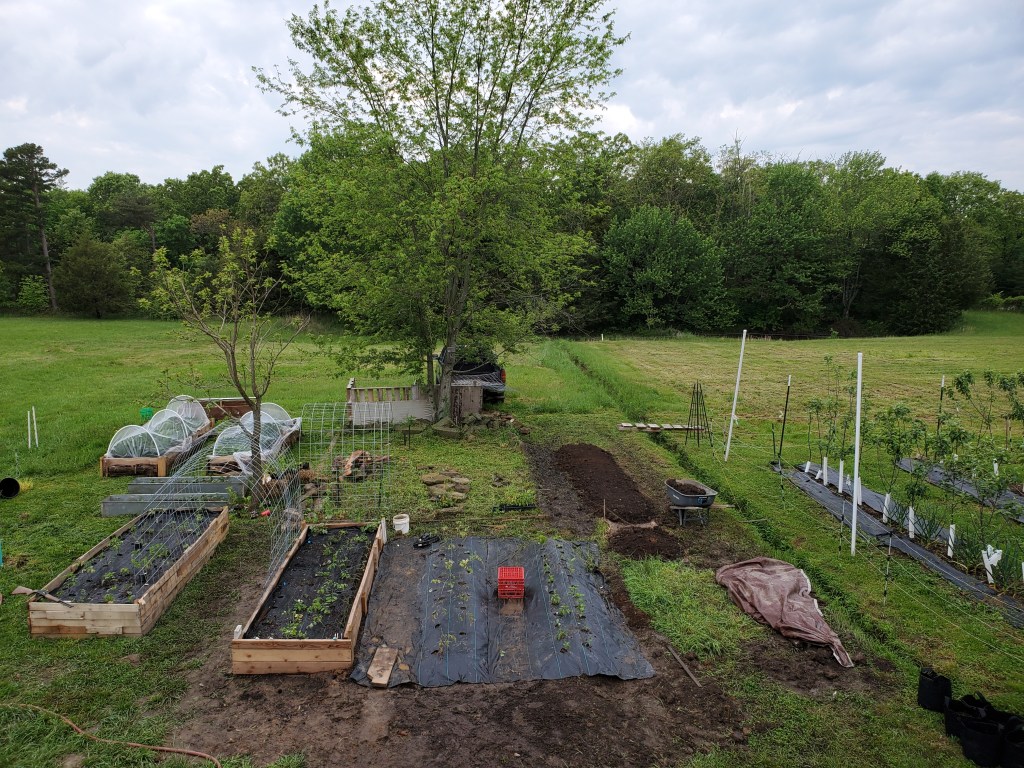
I think I need to explain why we panted so many tomatoes and peppers. We knew we wanted 16 paste tomato plants, 9 tabasco pepper plants, 6 paprika pepper plants, and a few each of other tomatoes and peppers. We started plenty of extra seeds, and after our seedling sale, we still had lots left over. We put all the seedlings on the raised beds to be available when we were ready to plant. Well, we free-range our chickens. No, they did not peck at the plants, in fact, they ignored the plants. They did, however, peck at the plant labels. By the time we noticed it, they had pulled the label out of every single seedling. We had no idea which plant was which variety – so we had to plant them all! We have a total of 13 different pepper varieties and 11 different tomatoes. It will be an adventure figuring out which variety is which!
Another planting space is on the other side of our apple orchard. We formed 4 dirt mounds that are 4’ in diameter and planted them with pumpkins, butternut squash, watermelons, honeydew melon and cantaloupe. We added companion plants of marigolds, dill weed, borage, carrots and radishes to each mound to help keep away the vine borers and other pests that invade these types of plants. One of the pumpkin seeds we planted was given to us from a friend. They are the giant record-breaking pumpkins. We are hoping we can grow a gigantic pumpkin!
There are 2 more areas we want to plant. The first is our courtyard where the top soil is extremely thin and the hardpan is almost at the surface. We are going to plant a special kind of turnip that is proven to break up rock and loosen the soil deep beneath the surface. We hope by sewing the turnip seeds in the courtyard, we will improve that soil so water can drain better. It will be a several year approach.
The final area we want to plant is a sunflower garden. We have 9 different varieties of sunflowers and we thought it would be fun to plant them in a relatively small area, maybe 50’ x 6’ to make a pretty wall of flowers. Hopefully the ground will dry up enough for us to prepare the space and plant the seeds.
Stay tuned.
 Undaunted Farming